
The Challenges of Inclusivity for Black Artists in K-pop Contexts
- Manon's hiatus raises concerns about treatment of Black K-pop members.
- Historical precedents indicate systemic issues within K-pop agencies.
- Fans demand transparency and equity in artist management practices.
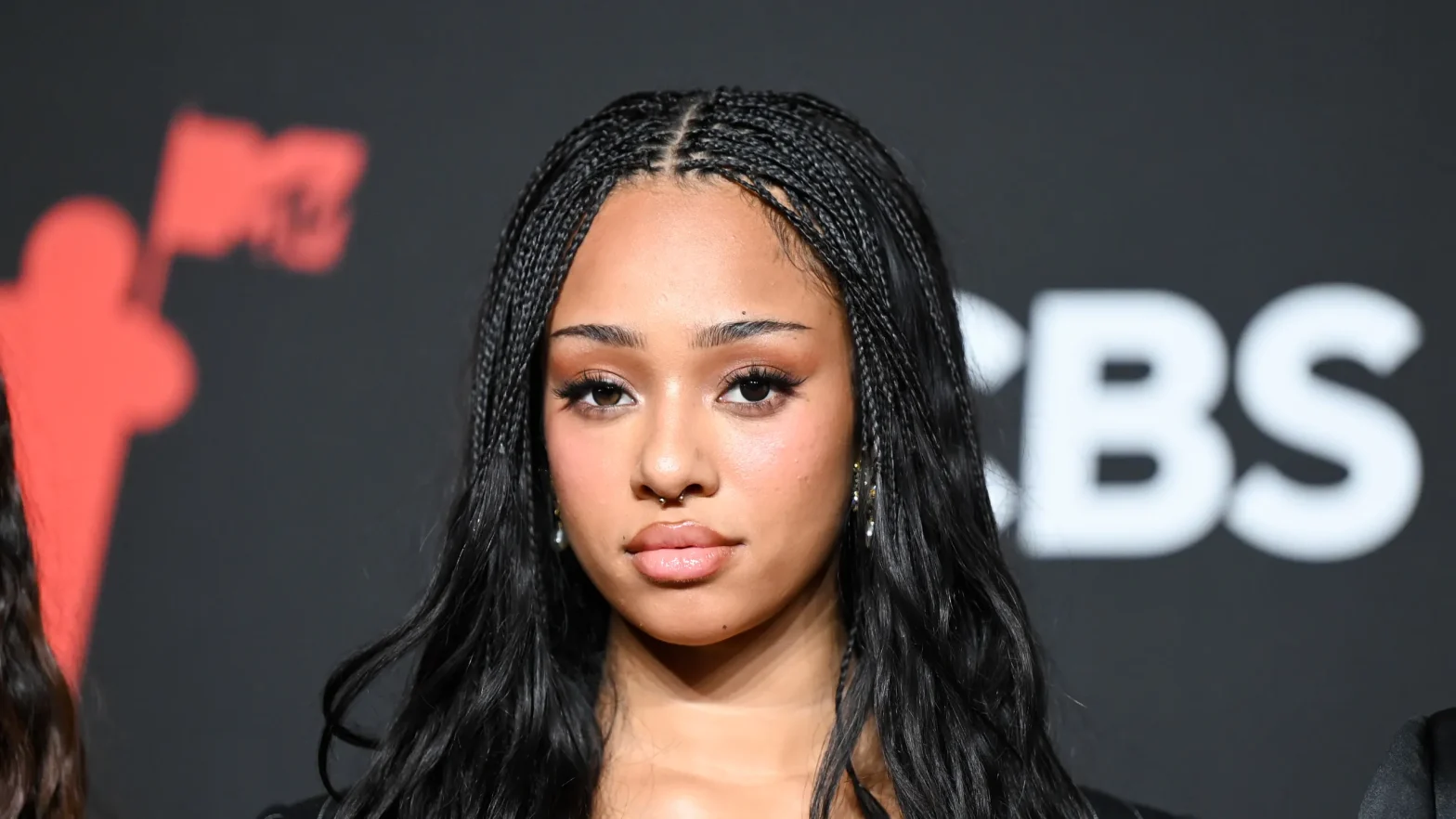
Speculation surrounding KATSEYE member Manon has intensified following her announced hiatus, which she quickly contradicted. Reports of alleged “internal issues” within the group have fueled questions about her continued participation, drawing attention to broader concerns about how Black members are treated in K-pop.
This pattern is not unprecedented. In 2011, DR Music introduced the girl group RANIA, later rebranded as BLACKSWAN, which included African-American rapper Alex Reid. Despite her talent, Reid faced significant exclusion during promotions, performing her rap parts only before leaving the stage and reportedly being denied participation in choreography. She later revealed that she had to manage her own styling and experienced treatment she believed was racially motivated. Reid departed the group in 2017 but remained active in the industry, including a 2025 KCON LA appearance.
Ongoing Concerns Highlight Systemic Challenges Facing Black Artists In K-Pop Groups
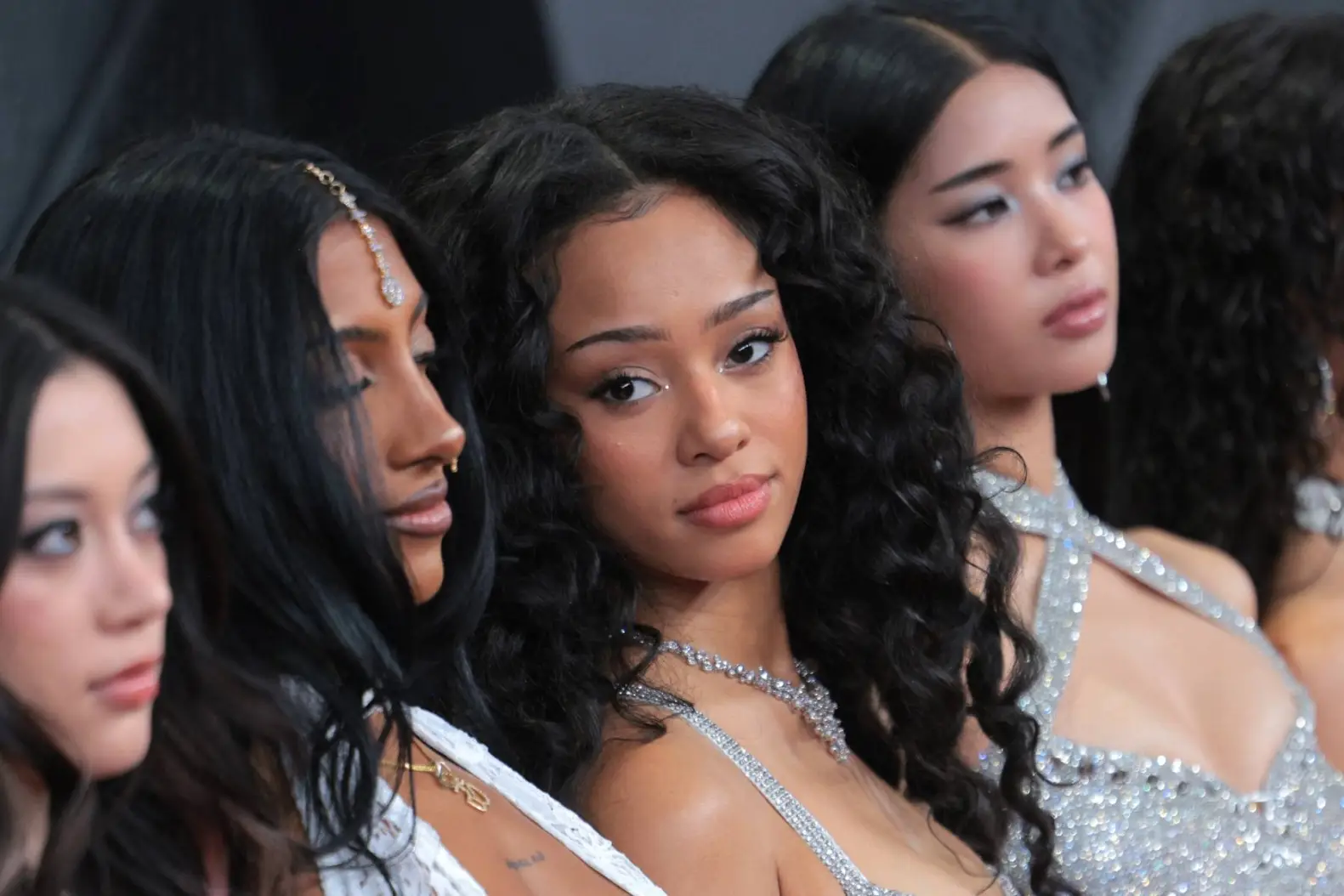
Similarly, BLACKSWAN has faced allegations of mistreatment toward member Fatou, who has been absent for several months, echoing concerns raised in Manon’s case. While the circumstances differ, the recurring themes of exclusion and unequal treatment for Black artists suggest systemic challenges within K-pop agencies and group dynamics.
Manon’s situation, paired with this history, has sparked discussion among fans and industry observers about inclusivity and fair treatment of diverse members in idol groups. The ongoing uncertainty around her status underscores the need for transparency and equitable management practices, highlighting how individual struggles can reflect broader structural issues in the K-pop industry.
The combination of Manon’s abrupt hiatus, internal group tensions, and historical precedents raises important questions about representation, fairness, and long-term support for Black artists in K-pop.
- What sparked the renewed debate over the treatment of Black K-Pop artists?
The debate was sparked by KATSEYE member Manon's announced hiatus, which was later contradicted, alongside reports of internal issues within the group.
- What historical example is mentioned regarding the treatment of Black artists in K-Pop?
The article references Alex Reid from the girl group RANIA, later known as BLACKSWAN, who faced significant exclusion during promotions and reported racially motivated treatment.
- What challenges are highlighted regarding Black artists in K-Pop?
The article discusses systemic challenges, including exclusion and unequal treatment faced by Black artists, as exemplified by both Manon and BLACKSWAN member Fatou.
- What is the significance of Manon's situation in the context of K-Pop?
Manon's situation highlights ongoing issues of inclusivity and fair treatment of diverse members in K-Pop idol groups, reflecting broader structural challenges in the industry.
- How did Alex Reid's experience in K-Pop illustrate the treatment of Black artists?
Alex Reid managed her own styling, performed limited parts, and faced exclusion from choreography, which she believed was racially motivated before leaving the group in 2017.
- What do fans and industry observers call for in light of Manon's situation?
There are calls for transparency and equitable management practices to address the struggles faced by Black artists in the K-Pop industry.