
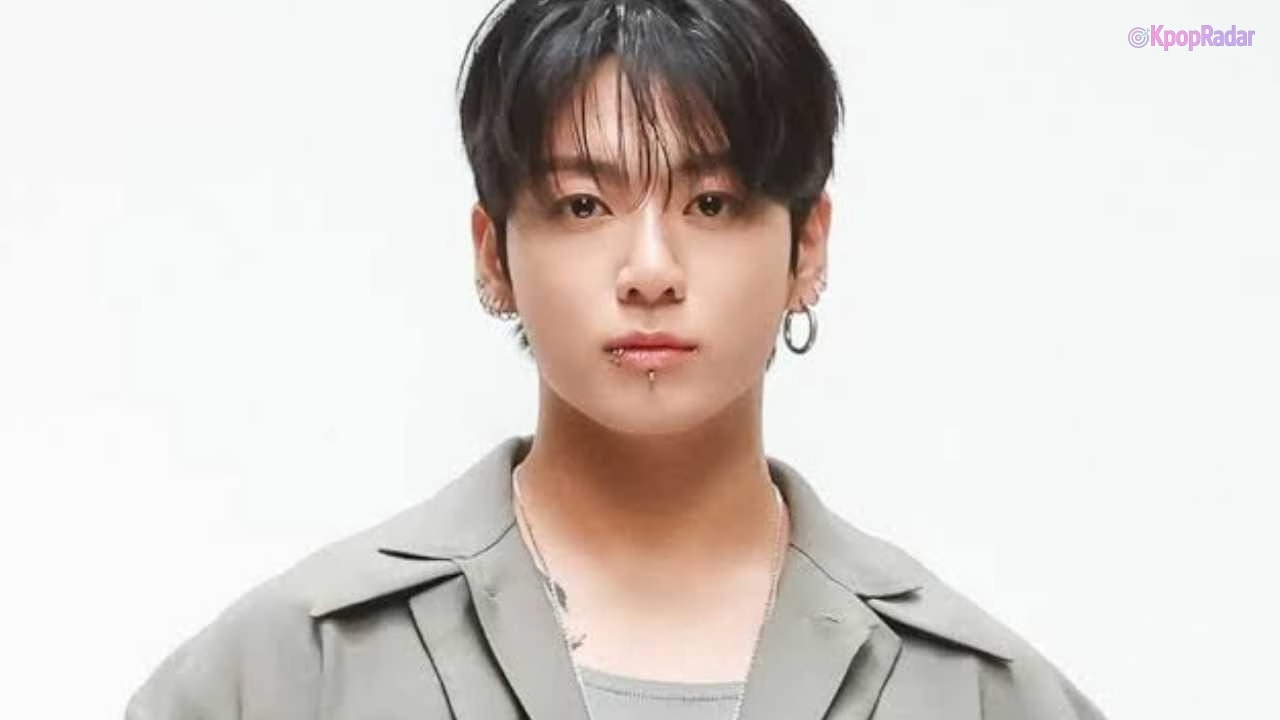
The global music community is currently witnessing a complex digital discourse following a recent social media update from BTS’s Jungkook.
As one of the most influential figures in contemporary culture, every action taken by the “Golden Maknae” is subject to intense scrutiny, and his latest post on May 4, 2026, has sparked what some media outlets are describing as a “massive backlash.”
While the nature of the internet often amplifies dissenting voices, the situation provides a window into the evolving relationship between global icons and the digital platforms they inhabit.
The conversation highlights the thin line artists must walk between personal expression and the expectations of a massive, diverse global audience.
The backlash primarily centered around the perceived timing and content of the update, which some segments of the online community felt was insensitive to ongoing global events or industry tensions.
Within hours of the post appearing, hashtags both supporting and criticizing the artist began trending worldwide.
However, it is essential to note that the “backlash” is not a monolith; while some critics were vocal, a significant portion of the ARMY fandom and general public rose to his defense, citing the potential for misinterpretation in the fast-paced world of social media.
This divide illustrates the “echo chamber” effect of digital platforms, where a single post can be viewed through a thousand different lenses simultaneously.
The Complexity of Global Influence and Artist Intent
Amidst the swirling opinions, the core of the issue often returns to the artist’s original intent versus public perception.
Historically, Jungkook has used his platforms to share glimpses of his daily life, musical inspirations, and creative processes, often with a sense of spontaneity that fans find endearing.
In this instance, the rapid escalation of the narrative caught many by surprise.
Addressing the situation indirectly through a subsequent interaction, a sentiment attributed to the artist emerged as a focal point for those seeking clarity.

Jungkook reportedly expressed a simple yet profound thought:
“My only wish is for my music and my words to be a source of comfort, never a reason for conflict.”
This statement has become a rallying cry for supporters who believe the criticism has been blown out of proportion.
It highlights the inherent vulnerability of being a global superstar in an era of instant feedback.
For artists of Jungkook’s stature, the pressure to be “perfectly curated” often clashes with the desire for authentic connection.
The current controversy serves as a reminder that even the most well-meaning gestures can be stripped of their context when shared with millions.
As the industry moves forward, the conversation surrounding this event is likely to shift from the specifics of the post to a broader discussion on digital literacy and the mental health of public figures facing intense online scrutiny.
A Landmark Day in the Ever-Evolving K-Pop Landscape
While the digital debate regarding Jungkook’s update continues to unfold, May 4, 2026, remains a day of significant milestones and celebrations across the wider Korean entertainment industry.
One of the most heartwarming stories today is the return of NCT’s Jaehyun, who was officially discharged from his military service this morning.
His return is being celebrated globally, with fans eagerly anticipating how his presence will influence NCT’s future discography.
Simultaneously, the digital charts are witnessing the undisputed dominance of AKMU.
The duo has achieved their second “perfect all-kill” (PAK) of the year with “Paradise of Rumors,” a feat that confirms their status as the industry’s most reliable hitmakers.