
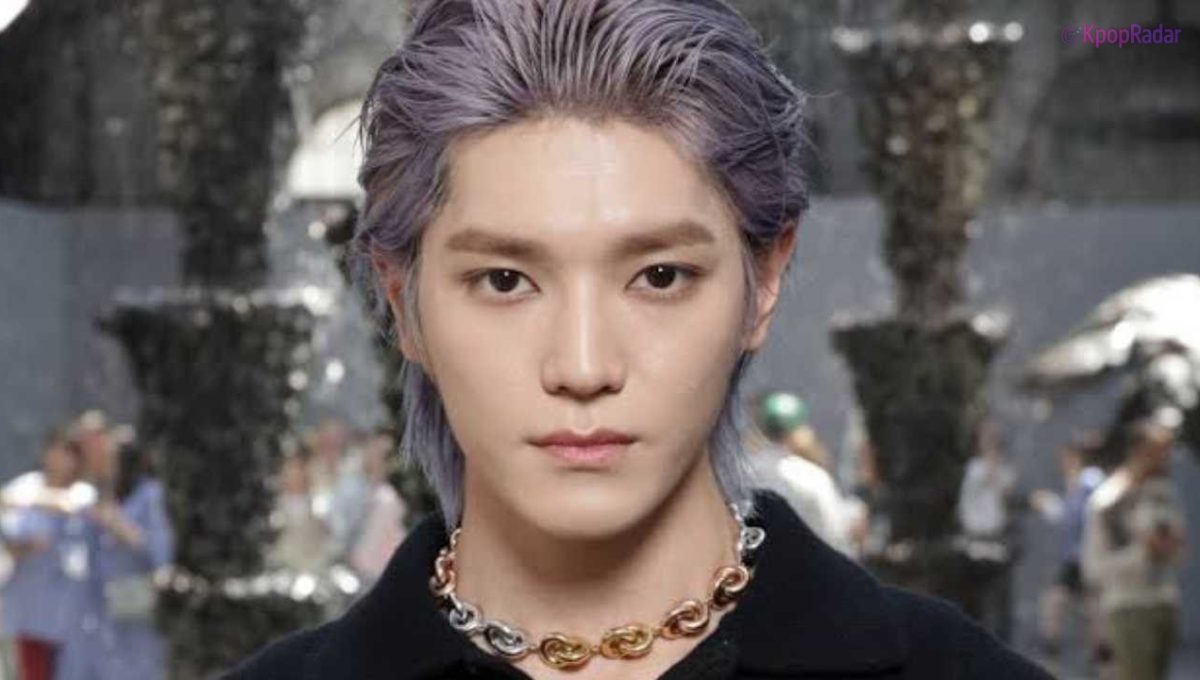
The career of NCT’s Taeyong has often served as a lightning rod for intense public scrutiny, frequently leading to misinterpretations that blur the line between his artistic intent and his personal character.
In April 2026, as Taeyong navigates a pivotal shift in his career- marked by his official departure from SM Entertainment and the launch of his independent creative path- these long-standing discussions have resurfaced.
The focus has now shifted toward his “unapologetic” aesthetic and how he uses experimental style as a form of self-defense and self-expression.
The Core of Style Misinterpretation
Much of the discourse surrounding Taeyong stems from a recurring tension between critics who favor traditional idol standards and those who view his work as a cohesive piece of avant-garde performance art.
Throughout his career, his stylistic choices have been picked apart, often divorced from the context of the “Neo” (experimental and futuristic) identity that defined his years in NCT.
One major point of contention has been his vocal stylization. Taeyong frequently employs a “raspy” or “distorted” vocal tone in his rap verses.
While some critics have misinterpreted this as a lack of technical precision or poor enunciation, it is a deliberate stylistic choice designed to create a specific sonic texture.
As a creative director for his solo projects recently noted in a 2026 feature:
“Taeyong treats his voice like a synthesizer; he isn’t interested in just delivering lyrics, he wants to deliver a specific frequency that matches the visual chaos of his world.”
Furthermore, his performance aura has historically been misread. His intense stage presence and sharp, sometimes jarring movements have, at various points, been framed by netizens as “arrogance” or “insincerity.”
However, those who have worked closely with him describe a performer who is deeply immersed in character.
The misinterpretation often arises when a temporary stage persona is used to judge his actual personality- a phenomenon that has followed him since his debut but which he has begun to dismantle through more transparent solo work.
2026: Independence and the “Rock Solid” Era
The narrative surrounding Taeyong in 2026 has undergone a significant transformation following his military discharge and the subsequent end of his long-term contract with SM Entertainment on April 8, 2026.
Freed from the constraints of a traditional idol agency, Taeyong is now using his personal style as a tool for radical self-definition.
On April 17, 2026, he released his highly anticipated digital single “Rock Solid,” a collaboration with American artist Anderson .Paak.
The track acts as a sonic manifesto against years of being misunderstood.
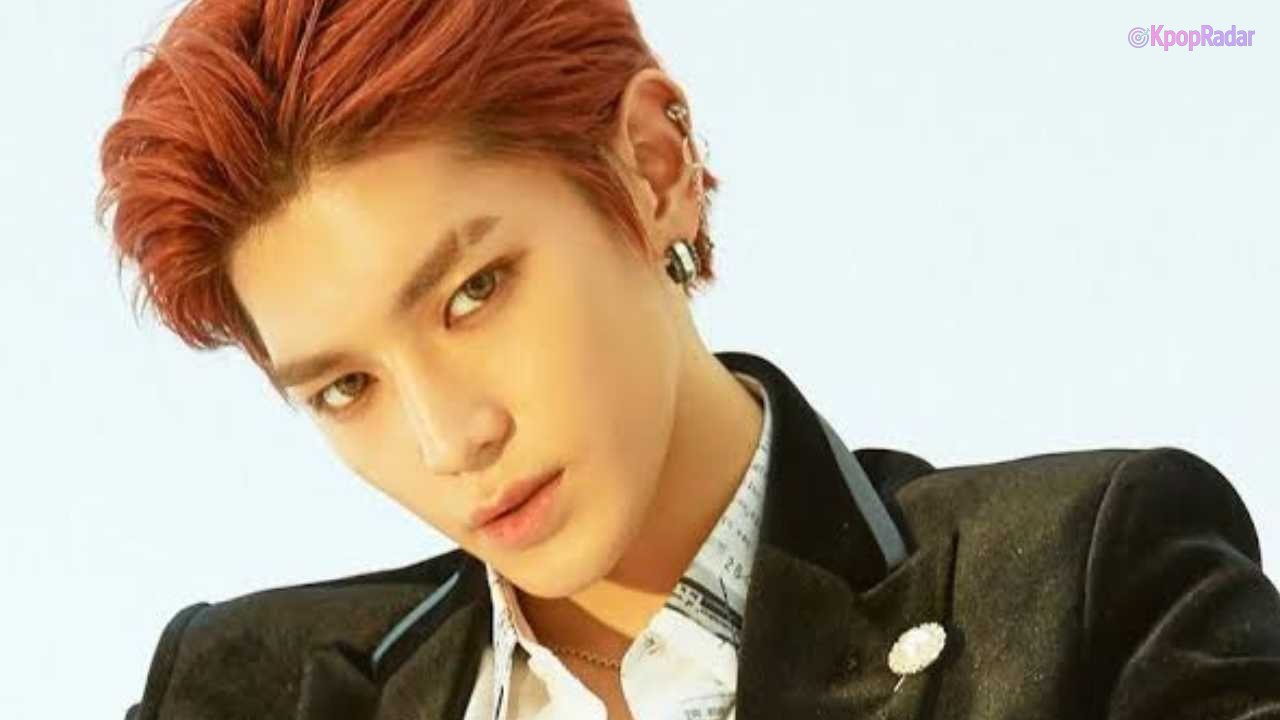
The lyrics lean into his resilience, with Taeyong himself stating during a recent livestream:
“For a long time, I felt like I was wearing clothes that people expected me to wear, even when I was the one who picked them. Now, I’m showing the skin underneath the clothes.”
This raw approach has helped bridge the gap between his public image and his true artistic identity.
His recent “TY TRACK – REMASTERED” Asia tour, which concluded in early April with stops in Bangkok and Kuala Lumpur, further solidified this change.
The tour was less about the polished “center of NCT” and more about an independent artist exploring his own boundaries.
Fans observed a shift from the “misunderstood idol” trope toward a “self-produced musician” status.
As he prepares for his first full-length solo album under his own creative direction in May 2026, the industry is finally beginning to see his stylistic experiments not as “distractions,” but as the very core of his authenticity.
By reclaiming his narrative, Taeyong is proving that his unique choices are not a performance of authenticity, but the reality of it.