
In the landscape of modern television, few hours of media have captured the visceral, suffocating tension of a family dynamic quite like The Bear Season 2, Episode 6, titled “Fishes.”
This hour-long flashback episode takes us five years into the past to a Berzatto Christmas Eve dinner, providing the definitive Rosetta Stone for why Carmie, Richie, and Sugar are the way they are.
The ending is not just a climax; it is a psychological car crash that explains the foundational trauma of the series.
The Breaking Point: Michael and Uncle Lee
The episode’s tension is built on a “ticking clock” mechanism- the timer of the oven and the clinking of wine glasses.
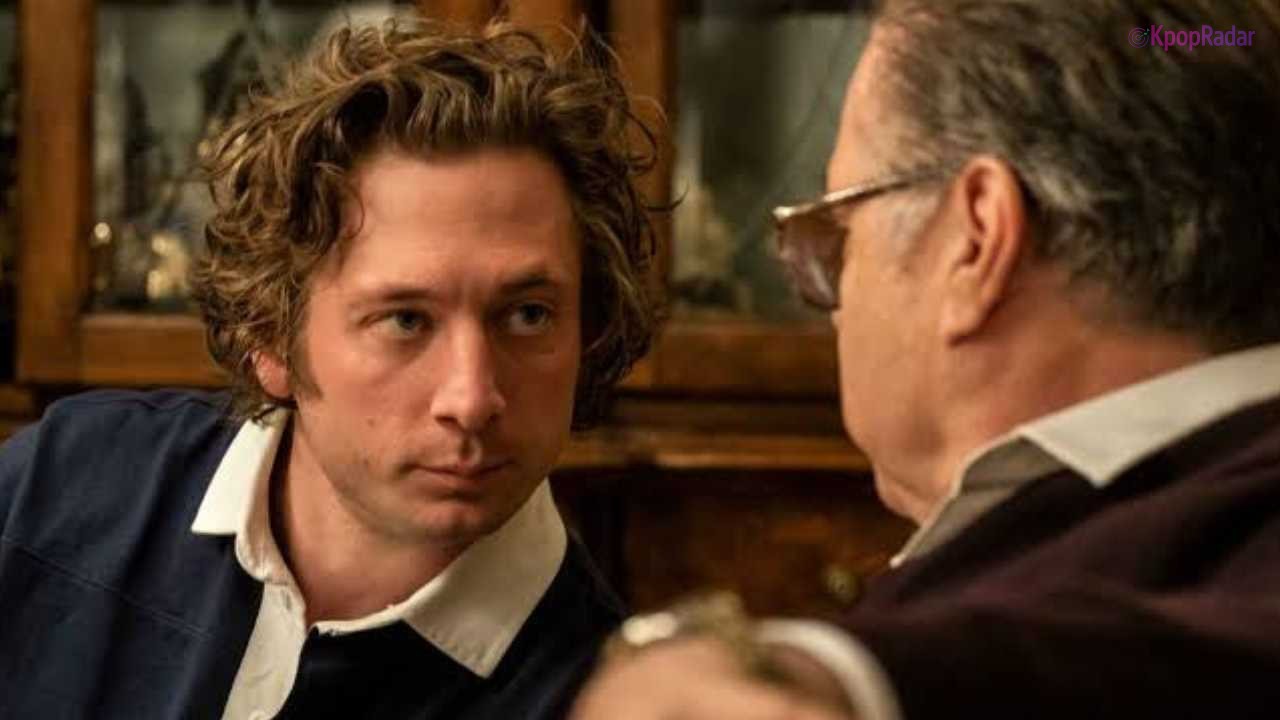
The central conflict between Michael (Jon Bernthal) and “Uncle” Lee (Bob Odenkirk) serves as the primary catalyst for the episode’s violent conclusion.
Throughout the dinner, Lee repeatedly mocks Michael’s repetitive stories and his “loser” status, eventually leading Michael to start throwing forks at Lee across the dinner table.
This scene is a masterclass in escalating dread. When Michael throws the final fork, it isn’t just an act of anger; it is a manifestation of the “Berzatto Curse”- an inability to communicate without violence or volume.
As Michael screams, “I’m gonna throw the fork!” and Lee taunts him with, “You’re nothing,” the table becomes a battlefield.
This moment mirrors the professional chaos Carmy deals with in the present day, revealing that his “work” stress is actually just a continuation of his “home” stress.
The Crash: Donna’s Final Act of Martyrdom
The true ending of the episode occurs when the matriarch, Donna (played in a powerhouse performance by Jamie Lee Curtis), finally snaps.
Donna spends the entire episode performing “The Martyr,” slaving over the stove while drinking wine and lamenting that “nobody helps her,” even when they desperately try to.
Her identity is tied to being the suffering servant of the family.
When she finally sits at the table and Sugar (Abby Elliott) asks her the forbidden question- “Mom, are you okay?”- the facade collapses.
Donna’s exit from the table leads to the episode’s haunting final image: Donna driving her car through the front wall of the house.
- The Symbolism: The car crashing into the house is the literal destruction of the “home.” It represents the fact that Donna would rather destroy the foundation of the family than exist in a space where she feels “pity” rather than “praise.”
- The Fallout: The camera lingers on the faces of the children—Carmy’s stunned silence, Richie’s terror, and Michael’s devastated realization.
This ending explains Carmy’s obsession with the “perfect” restaurant in Season 2. He is trying to fix the dinner that his mother drove a car through.
He is trying to create a kitchen where the timers don’t lead to explosions.
The “Fishes” dinner is the reason Carmy views “service” as a life-or-death struggle.
As the screen fades to black, we realize that for the Berzattos, every meal is served with a side of inevitable catastrophe.