

The ongoing controversy surrounding ILLIT’s alleged imitation of NewJeans has sparked heated debates in the Korean entertainment industry, prompting experts to weigh in on the matter.
CEO Min Hee-jin of ADOR raised concerns over what she perceives as a “serious violation” of NewJeans’ cultural achievements by HYBE’s label, Belift Lab. She pointed out striking similarities between the two groups, ranging from hairstyles and costumes to choreographies and event appearances, fueling tensions between the two companies.
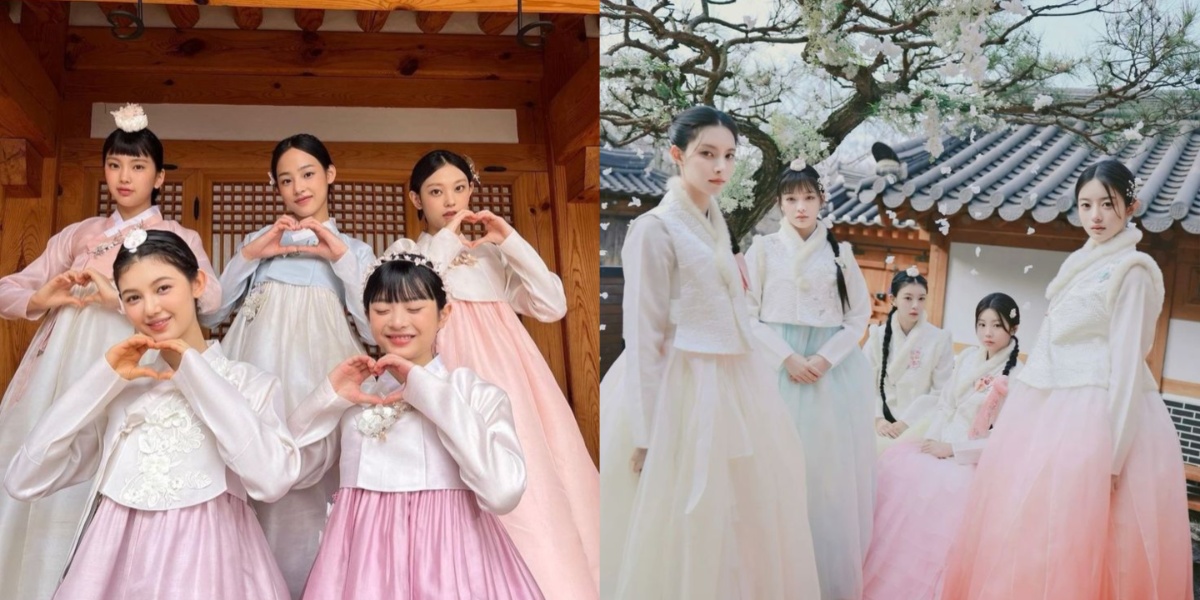
Netizens and industry experts alike have observed parallels between NewJeans and ILLIT since the latter’s debut. Both groups, despite belonging to different labels under HYBE, share common traits such as five members, fast-paced electronic debut songs, and dreamy school uniform concepts.
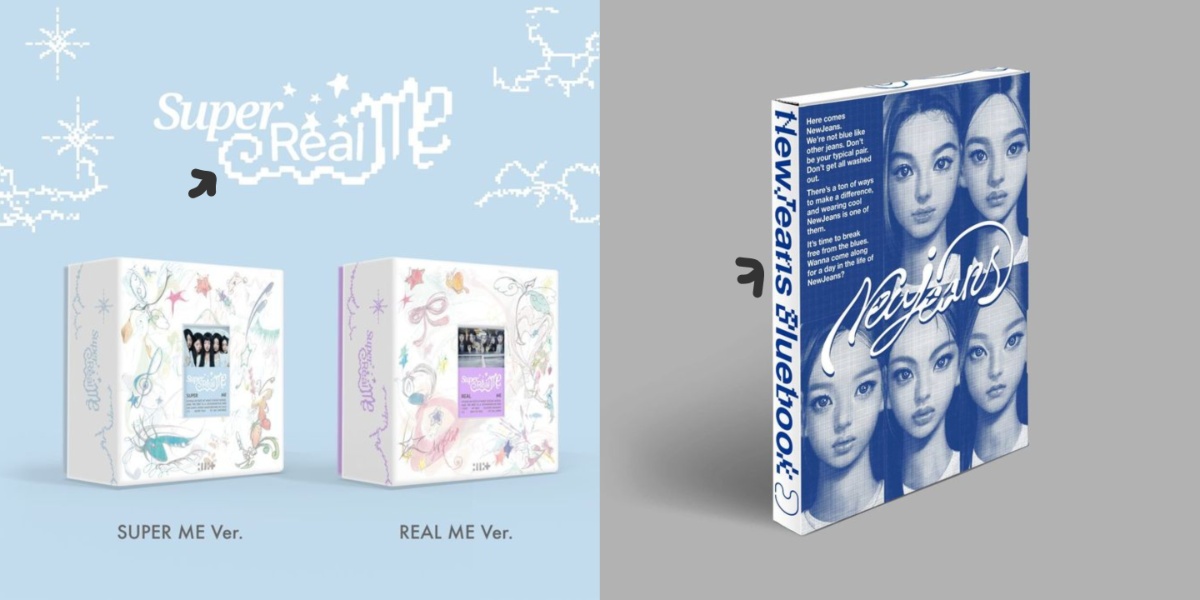
Additionally, similarities extend to album covers, photocards, and 2D illustrations, raising concerns over potential infringement of intellectual property rights.
Leading figures in the music industry have echoed these sentiments, emphasizing the importance of protecting creators’ efforts and maintaining ethical standards. Music agency CEOs and visual artists have voiced agreement on the infringement issue, with some suggesting that ILLIT’s actions may constitute a breach of creative ethics in the K-pop industry.
Legal experts have also scrutinized the situation, highlighting potential loopholes in shareholder agreements that fail to adequately address situations where parent companies unlawfully appropriate concepts from subsidiary labels.
Lawyer Noh Jeong-eon pointed out the absence of provisions for defending against such infringements, emphasizing the need for clearer regulations to safeguard intellectual property rights in the industry.
As the dispute between HYBE and ADOR escalates, the case serves as a focal point for broader discussions on creativity, ethics, and legal protection in the K-pop industry, shedding light on areas requiring greater scrutiny and regulatory clarity.