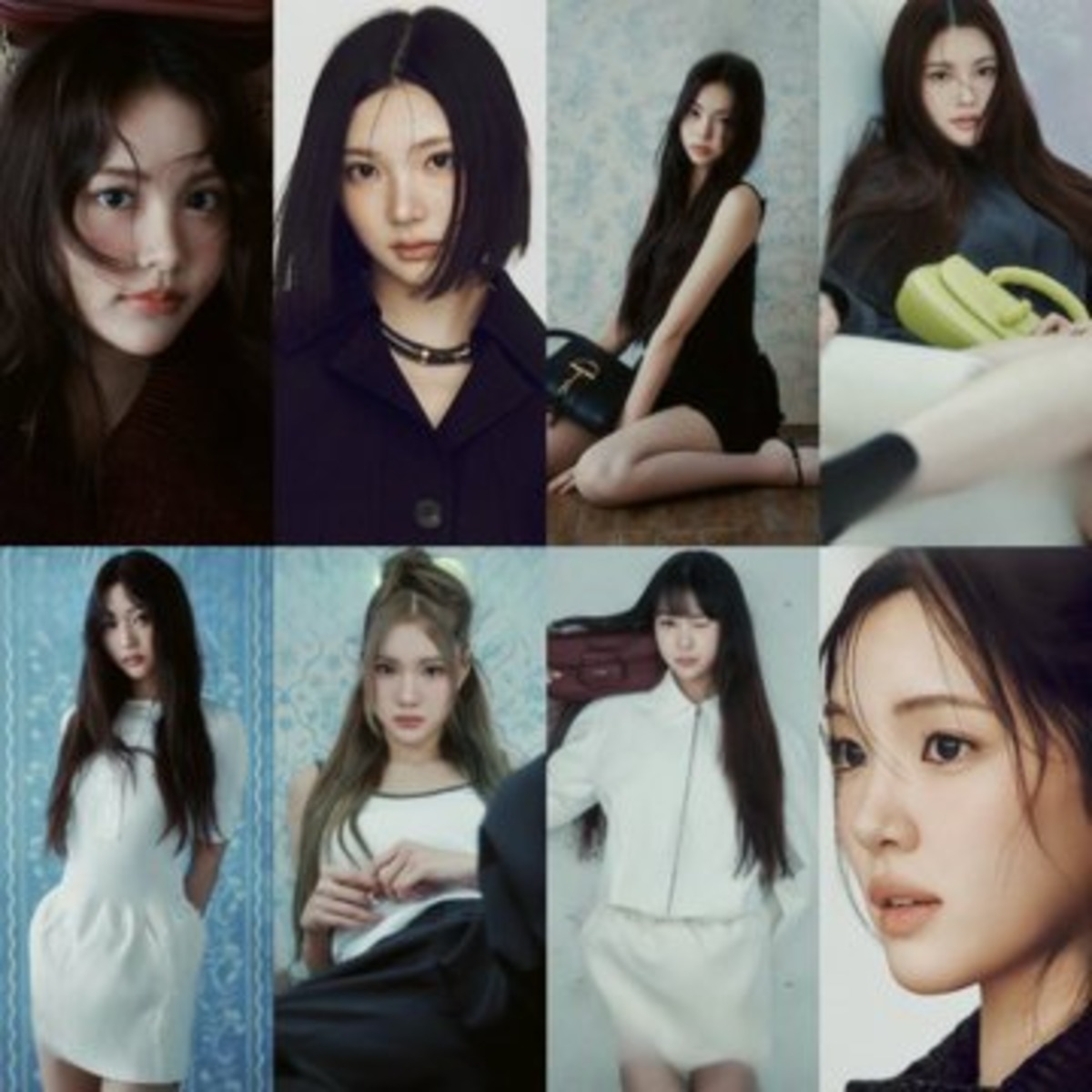

A recent topic titled “LE SSERAFIM has never worn Hanbok” surfaced on the Korean forum Pann Nate, drawing nearly 80,000 views and numerous comments, highlighting a contentious issue surrounding the girl group’s cultural representation.
The author of the topic pointed out that, unlike other HYBE idols such as NewJeans, ILLIT, BTS, and TXT, LE SSERAFIM has never been seen wearing hanbok (Korean traditional clothing). This absence of cultural homage extends to special Korean holidays like Chuseok, where LE SSERAFIM opted for contemporary attire while other groups embraced traditional clothing.
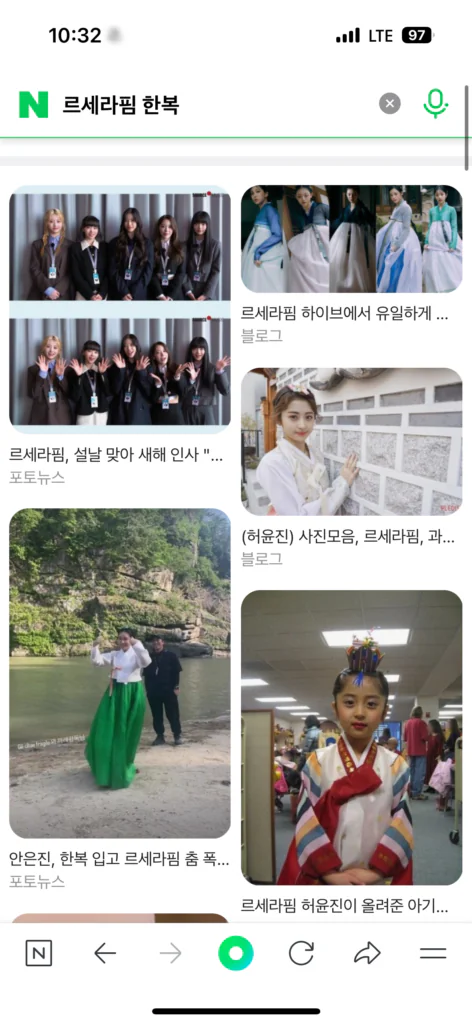
This criticism is compounded by LE SSERAFIM’s previous controversies involving Japanese elements in their works, which has fueled dissatisfaction among netizens over the group’s perceived lack of embrace of Korean culture, especially given the current geopolitical tensions between Korea and Japan.
Netizens expressed their discontent through various comments:
- “Even IVE wore a Hanbok despite having a Japanese member.”
- “Wow, they are truly pro-Japanese idols.”
- “It’s surprising that they don’t wear hanbok at least once…”
- “Isn’t this just the company’s fault? It’s not like LE SSERAFIM have any say in this.”
- “They are basically a J-pop group~”

The absence of hanbok wear by LE SSERAFIM, alongside their previous controversies, has ignited a broader conversation about cultural representation and identity in the K-pop industry, prompting reflection on the responsibilities of artists in searching sensitive geopolitical dynamics through their artistic choices.