

The highly anticipated return of BTS in March 2026 was met not only with global excitement but also with significant domestic controversy regarding the scale of government involvement.
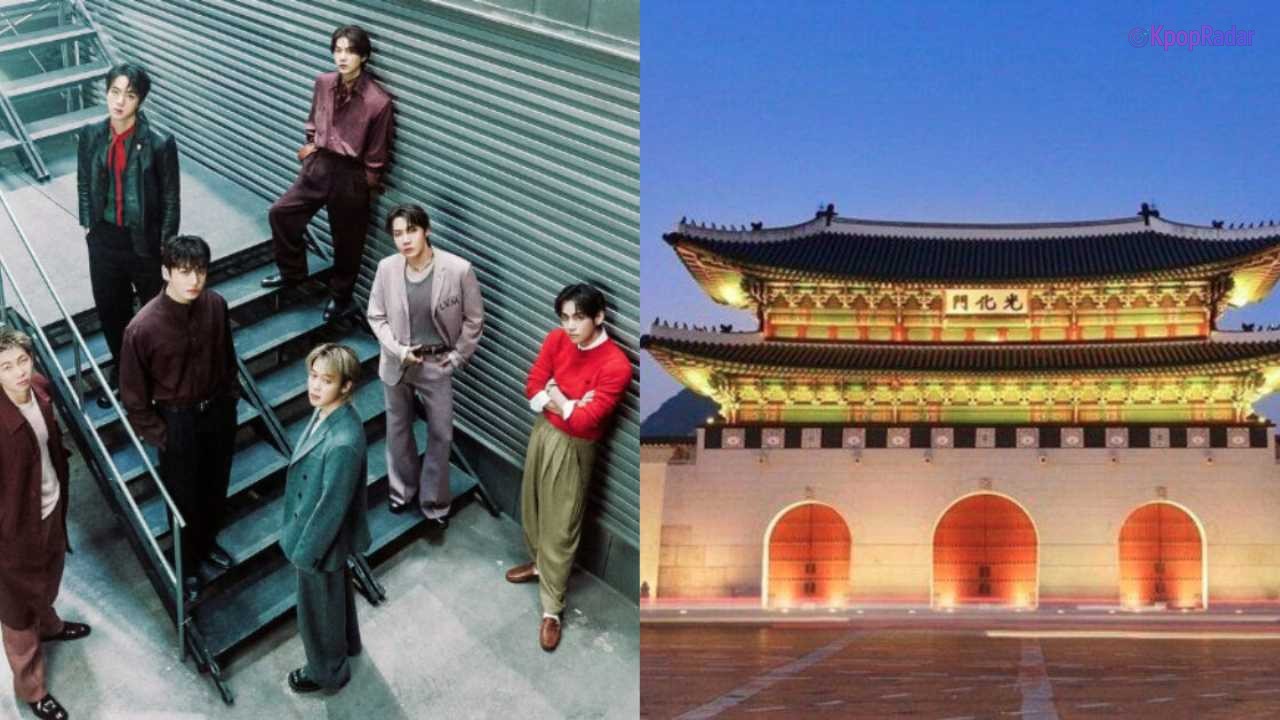
On March 21, 2026, the group held their historic “BTS 2026 Comeback Show @ Seoul” at Gwanghwamun Square, marking their first full-group performance in nearly four years following the release of their fifth studio album, Arirang.
While the event was hailed as a cultural triumph, the Seoul Metropolitan Government and the Ministry of the Interior and Safety have faced intense scrutiny over what critics describe as an “excessive and costly” mobilization of public resources.
The Gap Between Predictions and Reality
The central point of contention stems from the massive disparity between the government’s crowd forecasts and the actual turnout.
In the weeks leading up to the event, the Seoul Metropolitan Police Agency and city officials repeatedly warned of a potential “crowd disaster,” preparing for a maximum of 260,000 attendees.
Based on these high-end estimates, authorities implemented a “security lockdown” of downtown Seoul, bypassed major subway stations like Gwanghwamun and City Hall, and deployed an unprecedented 15,500 safety personnel.
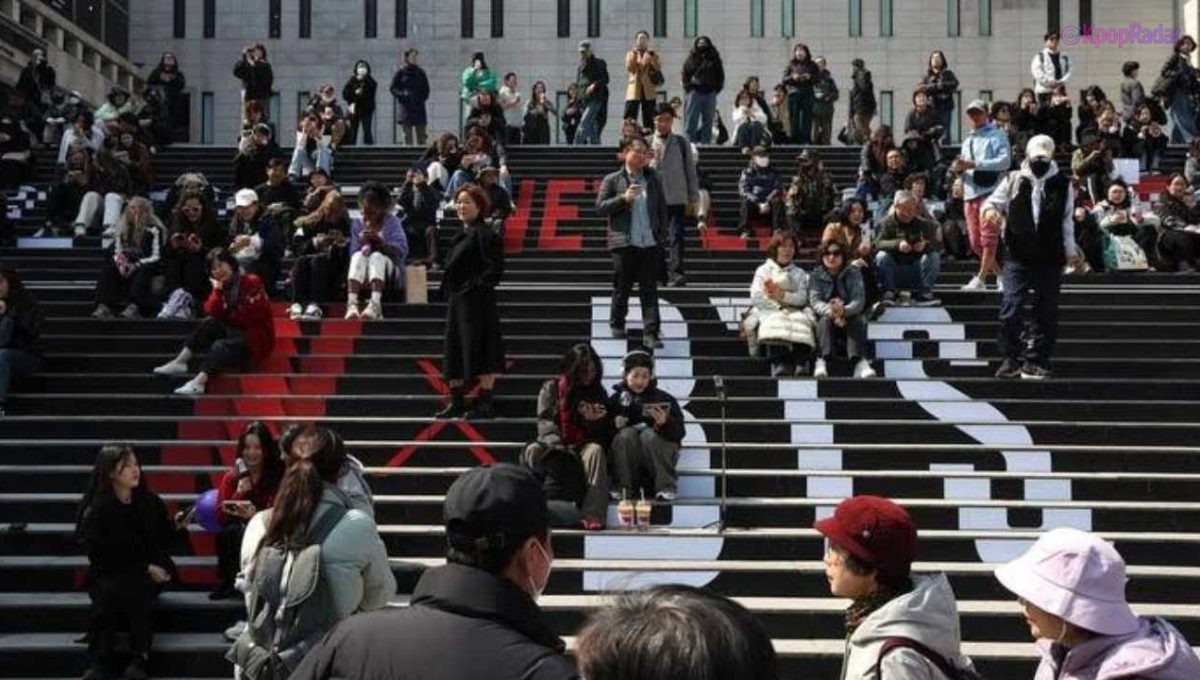
However, data released following the event painted a different picture. According to the Ministry of the Interior and Safety’s crowd management system, the peak number of people in the Gwanghwamun area was approximately 62,000.
Even when including HYBE’s more generous estimate of 104,000 (which accounted for foreign tourists and budget mobile users), the turnout was less than half of the government’s predicted ceiling.
This “shortfall” sparked immediate backlash from civic groups and local media, with many questioning the necessity of such a heavy-handed response.
One critic summarized the public’s frustration regarding the perceived overreaction:
“The government transformed the heart of Seoul into a fortress based on a number that was never reached. While safety is paramount, there must be a balance between caution and the efficient use of public administrative power.”
Controversies Over Tax Waste and Resource Diversion
Beyond the numbers, the financial and logistical cost of the safety operation has become a focal point of the scrutiny.
Reports indicate that the overtime pay for the 10,000 public officials and institution workers mobilized for the event exceeded 440 million won ($318,000).
Critics have labeled this a “waste of taxpayer money,” especially as some local governments recognized up to eight hours of overtime for their staff.
Furthermore, the “emergency vacuum” created by the event raised serious safety concerns elsewhere.
To bolster the presence at Gwanghwamun, ambulances and medical teams were diverted from the Incheon, Gyeonggi, and Gangwon regions.
This sparked a debate over whether the safety of one event- no matter how high-profile- justified potentially delaying emergency response times in neighboring provinces.
In response to the mounting criticism, a representative from the Ministry of the Interior and Safety defended the measures during a press briefing:
“Given that this was the comeback of the world’s most popular group and considering the heightened global terrorism concerns, we believe it was the government’s duty to do our utmost to prevent even a single accident. We are relieved the event concluded safely.”
Despite the official defense, the “Seoul City Safety Meeting” and its subsequent execution have left a lasting mark on the 2026 comeback.
While fans around the world celebrated the seamless Netflix livestream of the Arirang performance, the domestic conversation remains fixed on whether the city’s safety standards were a “model of preparation” or a “costly display of administrative overkill.”