
Even before making their official debut, SM Entertainment’s upcoming girl group Hearts2Hearts (H2H) is caught up in a plagiarism debate. The controversy erupted after their promotional content for a CF deal with MegaCoffee showcased a chat-style design that some fans found strikingly similar to NJZ’s signature Phoning app aesthetic.
Ahead of their debut, Hearts2Hearts secured a collaboration with MegaCoffee, a popular budget coffee chain in South Korea. As part of the campaign, a concept image was released featuring a group chat-style visual with cutesy pixel elements and emojis. However, sharp-eyed netizens were quick to point out its resemblance to NJZ’s communication app concept, which has become widely recognized in the K-pop world.
This isn’t the first time SM Entertainment has faced such accusations. Previously, another rookie group from the label, RIIZE, also came under fire for allegedly borrowing concept elements from NJZ.
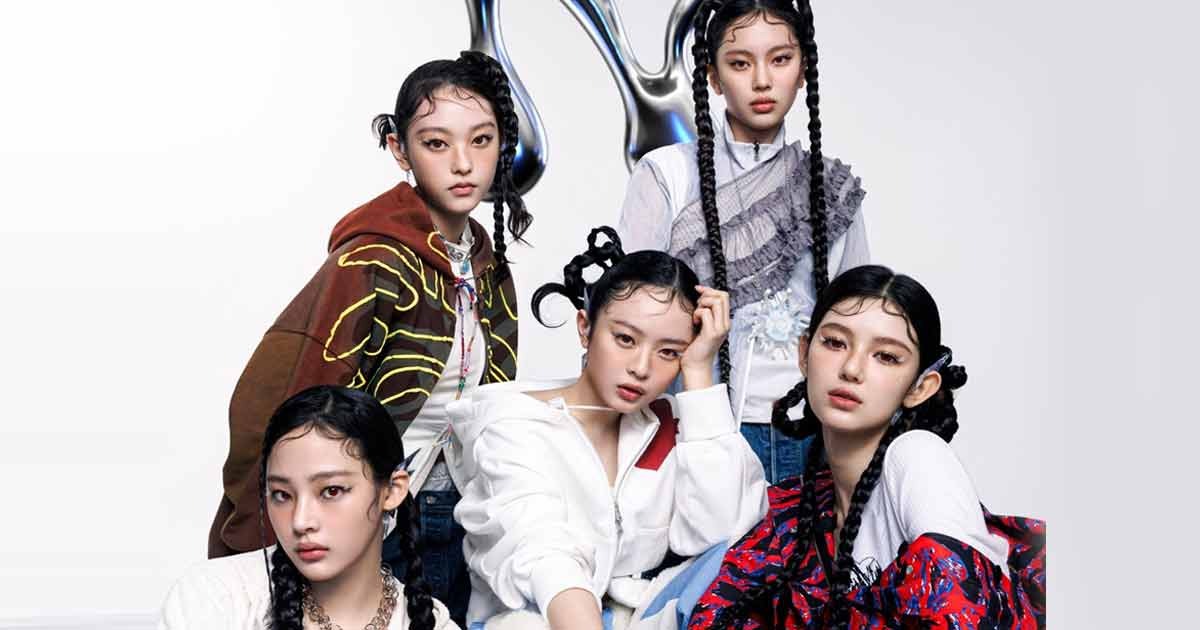
However, fans argue that NJZ’s influence on the industry is so strong that it’s inevitable for newer groups to adopt similar aesthetics.
Online discussions remain divided. Some netizens insist that the similarities are undeniable, while others claim that NJZ simply set a new industry trend that many groups are now following. Moreover, some pointed out that MegaCoffee, not SM Entertainment, was responsible for the promotional design, further distancing the group from direct plagiarism claims.
“It’s not outright plagiarism, but you can’t deny NJZ’s influence,” one fan commented. Another added, “All rookie groups are doing something similar these days. NJZ’s impact is massive.” Meanwhile, others dismissed the controversy, stating, “MegaCoffee made the design, not SM.”
With Hearts2Hearts yet to make their official debut, the group is already generating buzz—whether for the right reasons or not. As the K-pop industry continues evolving, the fine line between inspiration and imitation remains a hot topic.
What do you think? Is this plagiarism or just part of a growing trend?