Veteran actor Zo In-sung (also spelled Jo In-sung) recently sat down to share a candid, introspective look into his long-standing career, his unique mindset toward performance, and how his approach to the craft has radically shifted over his nearly three decades in the entertainment industry.
Appearing on a prominent talk show broadcast hosted by Ha Ji-young to promote his highly anticipated, high-budget espionage thriller film “Humint,” the acclaimed actor pulled back the curtain on the internal challenges that come with veteran status.
Rather than leaning on the grand, explosive emotional displays that defined much of his early career, Zo expressed a profound desire to step into a phase of his craft that values stillness, subtext, and absolute minimalism.
For Zo In-sung, the ongoing evolution of his career is not about adding more theatrical tools to his repertoire, but rather about mastering the difficult art of subtraction.
With an expansive filmography that traces back to his debut as a model in 1998, the actor confessed that maintaining a sense of freshness and sincerity on screen becomes increasingly complex as the years stack up.
His latest insights reveal a mature professional who is deliberately challenging himself to strip away performance habits in pursuit of a grounded, hyper-realistic presence that feels entirely natural to the audience.
Shifting From High Melodrama to the Art of “Not Acting”
Reflecting on his artistic trajectory, Zo In-sung opened up about how much his foundational mindset has shifted since his early days as a rising star.
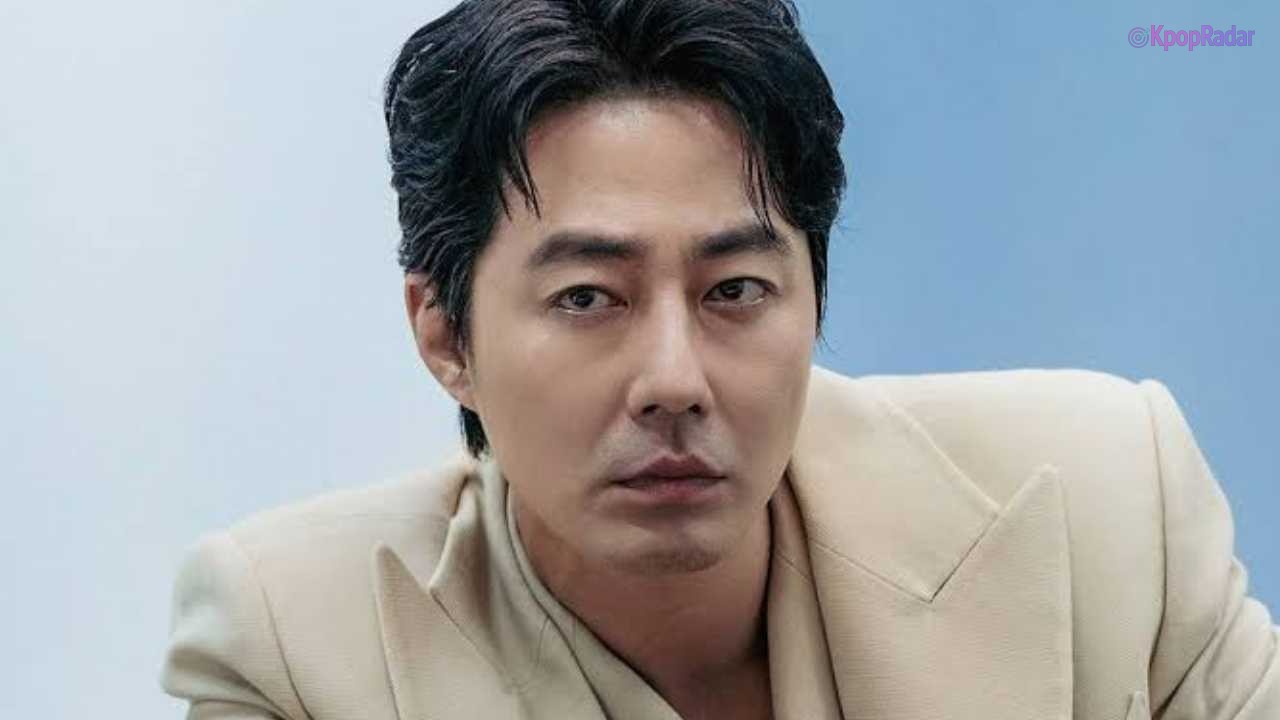
During the early 2000s, he achieved widespread mainstream fame through intensely raw, emotionally charged romances and heavy melodramas, such as the iconic series “What Happened in Bali” (2004) and “Spring Day” (2005).
Those demanding roles required him to deliver intensely high-energy performances, often pushing his characters to points of explosive grief, heavy weeping, and raw desperation.
Looking back, the actor acknowledged that those early environments left almost no room for subtle restraint, pushing him to view performance through a lens of continuous emotional output.
The turning point in his philosophy arrived when he began collaborating with acclaimed television screenwriter Noh Hee-kyung for the hit 2013 melodrama “That Winter, the Wind Blows.”
Zo recalled a pivotal piece of advice from the writer that fundamentally altered his trajectory, noting that she would consistently instruct him to simply stand still and deliver his lines with absolute simplicity.
He admitted that when he feels a wave of uncertainty about his performance on set, his natural instinct is often to fidget or add physical movement.
However, learning to portray characters who possess deep, unshakeable internal composure taught him the immense value of stillness, leading to his current philosophy where he actively values doing nothing in front of a rolling camera.
Viewing Performance Through the Lens of Survival and Relationships
In a deeply personal moment during the interview, Zo In-sung laid bare the sheer intensity that drove his early career forward, candidly admitting,
“Acting was survival for me.”
This striking confession highlights the immense pressure he felt during his formative years in the industry, navigating the loneliness and vulnerability of being a young actor thrust into the spotlight.
That intense drive for survival has since evolved into a balanced, grounded worldview, allowing him to maintain what industry insiders describe as a healthy, mature sense of distance when interacting with junior colleagues and production staff members on modern filming sets.
This evolved approach of quiet restraint is heavily woven into his role in the 23.5 billion won blockbuster film “Humint,” directed by legendary action filmmaker Ryoo Seung-wan.
In the movie, Zo portrays Manager Cho, a South Korean National Intelligence Service (NIS) black agent tasked with managing a delicate network of human sources.
Rather than falling back on the rigid, intimidating, and overly aggressive stereotypes often associated with secret agents, Zo consciously chose to inject multidimensionality into the character by utilizing soft, gentle dialogue tones and measured physical gestures.
By sharing the screen with co-stars Park Jeong-min, Park Hae-joon, and Shin Sae-kyeong, Zo’s understated performance stands as a definitive testament to his belief that standing still can represent a profound form of artistic evolution.