
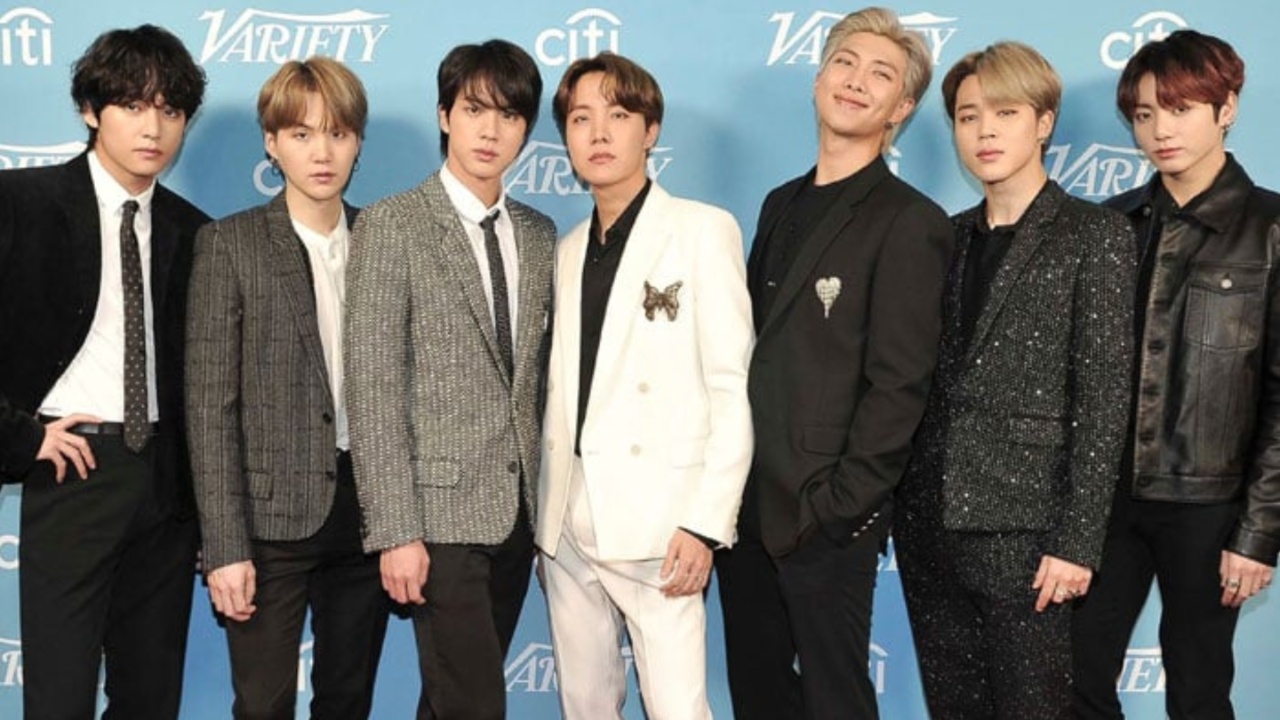
During the 2026 Lunar New Year, the nation’s attention shifted from politics and sports to the highly anticipated return of BTS. After nearly four years of military service, the seven members are back as a complete unit, generating excitement across generations and reaffirming their status as a “national icon.”
The discussion at family gatherings focused largely on their upcoming album, ARIRANG, set for release on March 20, and the BTS Comeback Live: ARIRANG concert on March 21 at Seoul’s Gwanghwamun Square. The album title, referencing a traditional Korean cultural symbol, resonated strongly even with older generations, fostering intergenerational engagement and conversation.
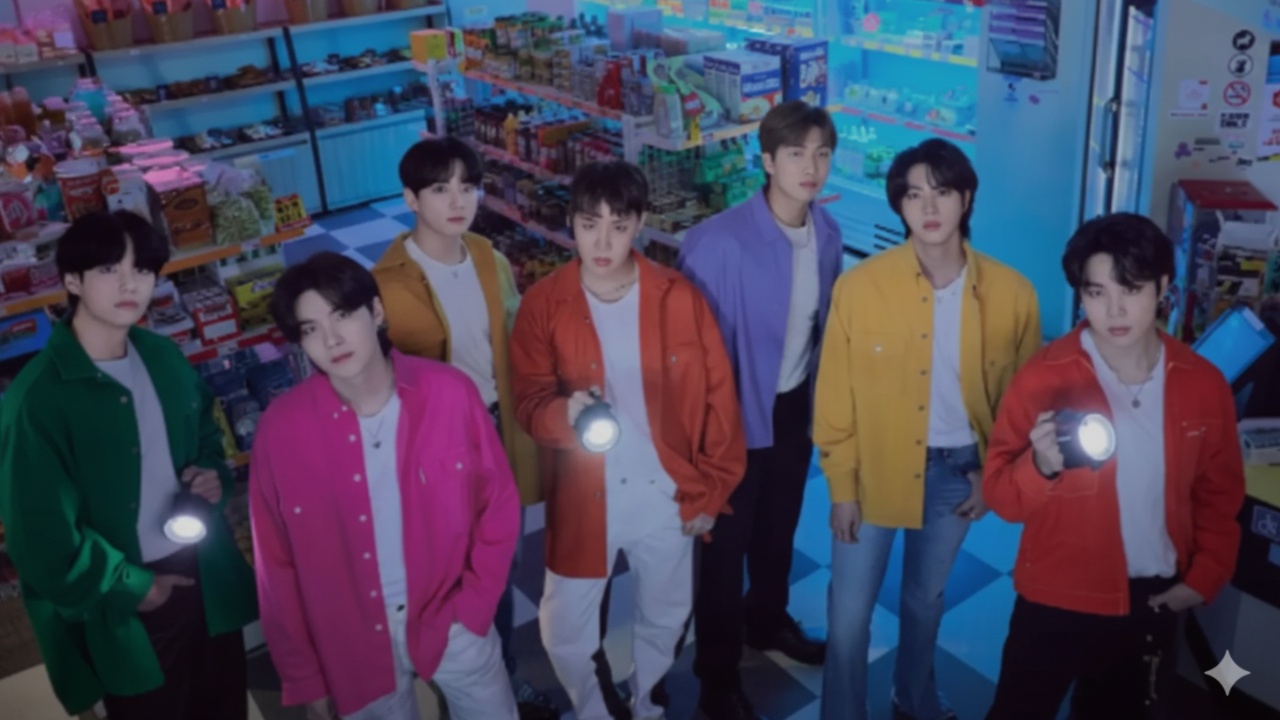
The Gwanghwamun concert promises historic scale. A “King’s Road” performance will begin at Gyeongbokgung Palace, pass the Gwanghwamun Gate, and continue to the north stage of the square. While official attendance is capped at around 15,000, authorities anticipate tens of thousands of additional fans outside the venue, with estimates reaching 230,000 near Daehanmun Gate and up to 260,000 toward Sungnyemun Gate. Enhanced safety measures are in place to manage these unprecedented crowds. The concert will also be broadcast live via Netflix to approximately 190 countries, allowing global fans to witness the performance from Korea’s historic center.
The comeback’s impact is measurable. BTS reclaimed the top spot in the February 2026 idol group brand reputation rankings, surpassing younger groups. Data from the Korea Corporate Reputation Research Institute highlighted high engagement with keywords like “come back,” “live broadcast,” and “ticket reservation,” with positive sentiment reaching 92.95%. Analysts noted that BTS’s influence, which remained strong during their hiatus, is now creating massive economic and cultural ripple effects throughout the K-culture industry, cementing what is being called “The BTS Effect.”
The combination of cultural resonance, global accessibility, and fandom excitement confirms that BTS’s comeback is more than a musical event; it is a nationwide phenomenon, bridging generations and reinforcing Korea’s global cultural presence.